
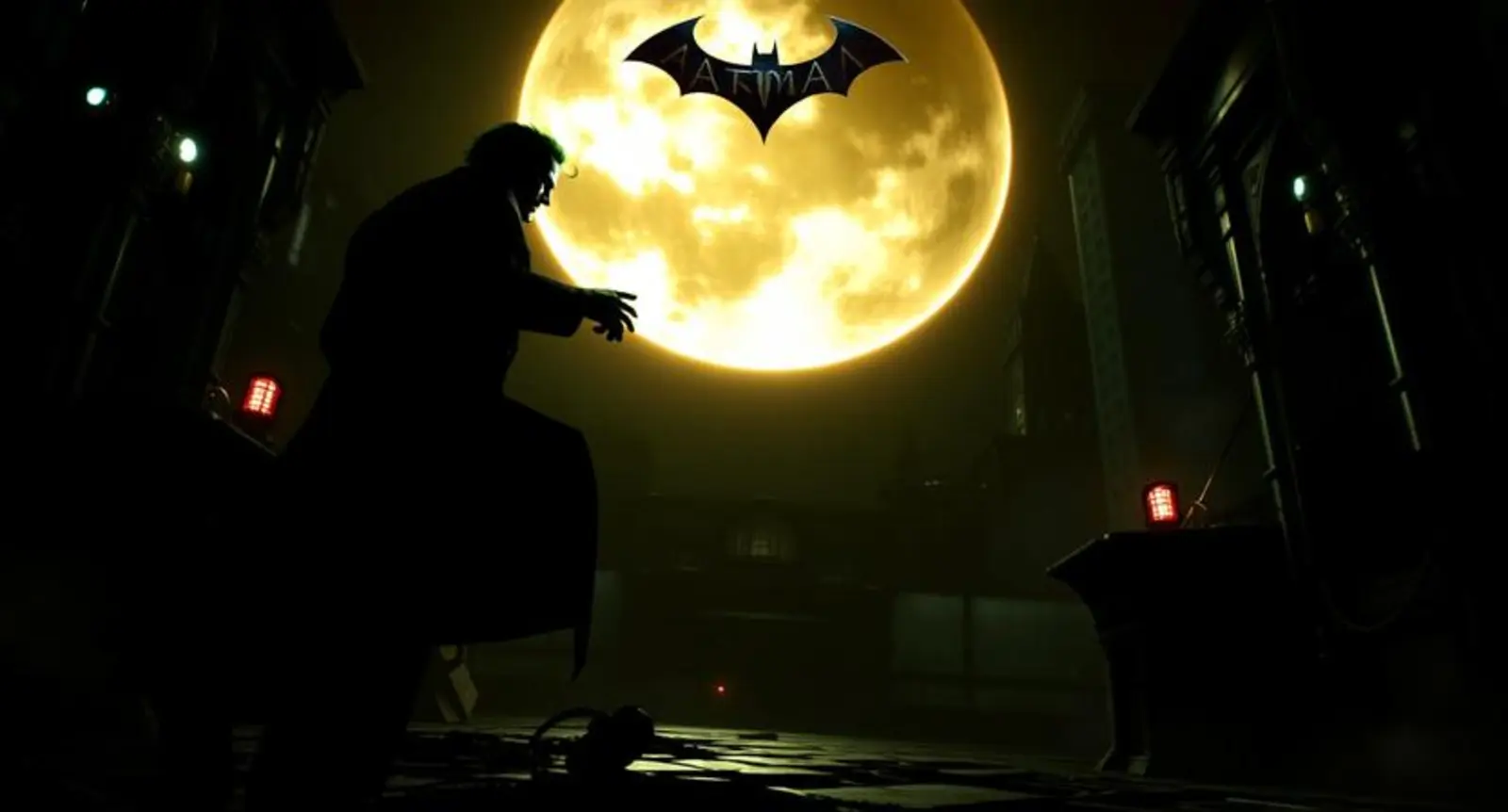
Step into the chaotic, twisted world of Gotham, where shadows whisper secrets and the line between sanity and madness blurs. Few characters in gaming have left as enduring a mark as the Joker in Arkham Knight, whose chilling laughter echoes through alleys and abandoned buildings. “Game over? What a joke!” — a line that captures not only his sinister humor but also the psychological dance he plays with players, teasing, mocking, and challenging every instinct.
This article is your complete, immersive guide to Joker Arkham Knight game over what a joke, unraveling the layers of storytelling, gameplay, psychological tension, and cultural impact. From hidden Easter eggs to emotional resonance, we explore everything that makes this moment unforgettable for gamers and Batman fans alike.
1. The Psychology Behind Joker Arkham Knight Game Over What a Joke
-
🧠 Mind games at their finest – The Joker’s “game over” mocks your mistakes, triggering frustration and thrill simultaneously.
-
🎭 Emotional manipulation – His laughter exploits fear and humor to keep players emotionally invested.
-
🌀 Cognitive dissonance – Players hate losing yet love the rush, creating a psychological rollercoaster.
-
💥 Shock factor – Sudden “game over” screens paired with his grin heighten emotional intensity.
-
😈 Villainous charisma – The Joker’s charm makes defeat feel strangely rewarding.
-
🔍 Attention retention – Emotional peaks increase focus, making every playthrough memorable.
-
🧩 Pattern recognition – Players subconsciously analyze his tricks, reinforcing engagement.
-
📈 Motivation booster – Mockery sparks determination to overcome challenges.
-
💡 Learning through failure – Each defeat with Joker’s taunts teaches strategy refinement.
-
🖤 Dark humor infusion – The blend of fear and laughter keeps players on edge.
-
🎮 Immersion deepener – The line makes you feel inside Gotham’s criminal psyche.
-
⚡ Adrenaline spike – Unexpected interruptions in gameplay increase excitement.
-
🤔 Reflective contemplation – Players ponder morality, chaos, and their own reactions.
-
🌪️ Psychological resonance – Joker embodies the chaos we secretly enjoy confronting.
2. Hidden Layers of Joker Arkham Knight Game Over What a Joke
-
🔎 Easter egg galore – Developers hide subtle nods to comics in the “game over” sequence.
-
📜 Comic references – Lines mirror classic Joker quips from decades of Batman lore.
-
🎨 Artistic symbolism – Visual glitches during his taunts reflect psychological fragmentation.
-
🕵️♂️ Subtle foreshadowing – His joke hints at narrative twists ahead.
-
🕹️ Gameplay cues – Taunts signal hidden paths or alternative strategies.
-
💬 Voice acting nuances – Every laugh has tonal variations revealing Joker’s mood.
-
🧩 Puzzle integration – Some “game over” sequences unlock secret riddles.
-
🔮 Future narrative breadcrumbs – Hints at Arkham Knight’s true identity.
-
🎥 Cinematic framing – The angle and lighting mimic psychological horror tropes.
-
🖤 Character duality – Joker’s humor masks tragic depth.
-
🎶 Score alignment – Background music subtly manipulates tension.
-
⚔️ Challenge reinforcement – Each joke is a reminder of Gotham’s chaos.
-
🌌 Environmental storytelling – Visuals during game over enhance city’s eerie vibe.
-
🕰️ Temporal layering – Moments echo prior Arkham series defeats.
3. Emotional Rollercoaster of Joker Arkham Knight Game Over What a Joke
-
😱 Fear meets anticipation – Joker’s laughter spikes player tension.
-
😂 Dark humor relief – His jokes provide comic relief in high-stress gameplay.
-
💔 Guilt induction – Losing to him evokes self-reflection and regret.
-
😤 Frustration fueling persistence – Players want revenge on Gotham’s clown prince.
-
🌟 Triumph anticipation – Every failure makes victory sweeter.
-
🧩 Cognitive engagement – Emotional variance keeps the brain active.
-
🤯 Shock and awe – Unexpected twists make gameplay unforgettable.
-
🖤 Morbid fascination – Players are drawn to chaos and malevolence.
-
⚡ Adrenaline release – High stakes amplify gameplay excitement.
-
🎭 Empathy for the narrative – Joker’s tragedy evokes subtle sympathy.
-
🌪️ Stress management – Players learn to navigate tension under pressure.
-
💡 Humor-driven insight – Jokes highlight flaws in strategy subtly.
-
🕰️ Memory retention – Emotional highs ensure long-term game recall.
-
🔗 Player-character connection – Emotional interplay strengthens immersion.
4. Narrative Genius in Joker Arkham Knight Game Over What a Joke
-
📖 Storytelling through defeat – Each “game over” is a narrative beat.
-
🦇 Batman vs. Joker duality – Highlights hero-villain dynamic in gameplay.
-
🎭 Character depth – Joker’s humor reflects chaos and intellect.
-
🕰️ Temporal continuity – Consistent with Arkham series arcs.
-
💥 Conflict escalation – Game over moments heighten stakes.
-
🎨 Visual storytelling – Subtle environmental cues tell untold tales.
-
💬 Dialog integration – Quips reinforce narrative pacing.
-
🧩 Puzzle-like narrative design – Defeat hints at story progression.
-
🔮 Foreshadowing brilliance – Hints at Arkham Knight’s role.
-
🖤 Morality exploration – Joker’s chaos challenges ethical thinking.
-
🎶 Musical narrative cues – Score accentuates storytelling tension.
-
🌌 World-building reinforcement – Gotham feels alive and reactive.
-
⚡ Emotionally charged arcs – Laughter amplifies narrative beats.
-
🤯 Memorable closure – Game over leaves lasting story impression.
5. Gameplay Mechanics Behind Joker Arkham Knight Game Over What a Joke
-
🎮 Challenge calibration – Tailored to player skill progression.
-
🕹️ Strategic feedback – “Game over” teaches trial-and-error tactics.
-
⚡ Dynamic difficulty spikes – Joker reacts differently depending on performance.
-
🧠 Cognitive engagement – Encourages problem-solving under stress.
-
💥 Punishing yet fair design – Losses feel earned.
-
🔍 Observation reinforcement – Players notice patterns in Joker’s tricks.
-
🎯 Precision demand – Encourages mastery of combat mechanics.
-
🖤 Tension pacing – Lulls and spikes mimic cinematic rhythm.
-
🌌 Environmental hazard integration – Cityscape amplifies risk.
-
🎭 Role immersion – Defeat reinforces Batman’s vulnerability.
-
🧩 Puzzle interactivity – Some sequences act as interactive riddles.
-
🔮 Predictive gameplay cues – Joker foreshadows threats subtly.
-
🌪️ Adaptive challenge design – Reacts to player frustration levels.
-
🤯 Replay incentive – Defeats encourage repeat engagement.
6. Iconic Lines in Joker Arkham Knight Game Over What a Joke
-
🎭 Classic one-liners – Nostalgic nods to comics.
-
😈 Taunting quips – Designed to provoke emotional response.
-
🧩 Context-sensitive humor – Lines adapt to gameplay scenarios.
-
💬 Subtext layering – Hints at Joker’s psyche and plans.
-
🌟 Memorable delivery – Voice acting enhances emotional punch.
-
🖤 Villainous charisma – Lines make players love-to-hate him.
-
🎶 Rhythmic alignment – Timing with score maximizes impact.
-
🔍 Easter egg quotes – Hidden references reward observant players.
-
⚡ Shock humor – Unexpected phrases keep tension high.
-
🕰️ Temporal callbacks – Echo lines from past Arkham games.
-
🤯 Narrative resonance – Reinforces plot stakes in subtle ways.
-
🎨 Visual-lyrical harmony – Lines match animations for effect.
-
💥 Challenge reinforcement – Words punctuate player failures.
-
🌪️ Psychological layering – Lines amplify Joker’s menace.
7. Artistic Design of Joker Arkham Knight Game Over What a Joke
-
🎨 Color psychology – Green and purple dominate to signal chaos.
-
🖤 Lighting contrast – Shadows enhance fear and suspense.
-
🔮 Environmental storytelling – Gotham’s decay mirrors Joker’s psyche.
-
🕹️ HUD integration – Visual cues guide player emotions.
-
🌌 Camera angles – Dramatic framing emphasizes menace.
-
⚡ Motion design – Joker’s movements sync with narrative beats.
-
🎭 Character modeling – Facial expressions convey depth beyond dialogue.
-
🧩 Texture symbolism – Grime and grit reinforce urban decay.
-
💥 Visual feedback loops – Effects react to gameplay mistakes.
-
🌟 Animation timing – Laughs timed to shock and delight.
-
🎶 Visual-music harmony – Movement aligns with suspenseful scoring.
-
🔍 Detail orientation – Tiny visual Easter eggs reward observant players.
-
🤯 Dynamic transitions – Seamless shifts between action and defeat.
-
🖤 Emotional amplification – Design elicits tension and excitement.
8. Cultural Impact of Joker Arkham Knight Game Over What a Joke
-
🌍 Global recognition – Joker’s line resonates worldwide.
-
🎮 Gaming memes – “Game over, what a joke!” inspires online humor.
-
🧠 Psychology discussions – Fans analyze his tactics and mindset.
-
💥 Fan art explosion – Iconic lines fuel creative expression.
-
🖤 Cosplay inspiration – Gamers emulate Joker’s style.
-
🎭 Narrative study – Scholars examine villain storytelling.
-
🌟 Pop culture reference – Appears in streams, videos, and reviews.
-
🔍 Memetic longevity – Continues circulating years after release.
-
🎶 Musical adaptations – Some remix lines for fan-made tracks.
-
⚡ Streaming virality – Moments are highlight reels in content.
-
🕹️ Community challenges – Players compete to defeat him creatively.
-
🤯 Influence on other media – Inspires villains in games and films.
-
🧩 Interactive storytelling benchmark – Sets standards for emotional engagement.
-
💡 Psychological archetype – Joker defines chaotic trickster in modern media.
9. Easter Eggs & Secrets in Joker Arkham Knight Game Over What a Joke
-
🕵️♂️ Hidden voice lines – Rare phrases appear under special conditions.
-
🎮 Secret animations – Subtle gestures hint at past Arkham lore.
-
🧩 Riddles within defeat – Hidden puzzles reward exploration.
-
🔮 Comic nods – References to classic Joker arcs appear visually.
-
💬 Contextual dialogue shifts – Lines change with Batman’s choices.
-
🌌 Environmental cues – Glitched screens hold hidden messages.
-
⚡ Alternative endings hints – Game over foreshadows divergent paths.
-
🎨 Visual anomalies – Distorted textures reveal Easter egg content.
-
🖤 Audio layers – Background whispers reward attentive ears.
-
🌟 Unlockable content – Defeat unlocks skins and collectibles.
-
💥 Meta-commentary – Joke critiques player obsession with winning.
-
🔍 Reference integration – Hidden callouts to Arkham Asylum series.
-
🤯 Layered meaning – Easter eggs add narrative depth.
-
🎭 Fan theory fuel – Secret cues spark speculation for years.
10. Combat Lessons from Joker Arkham Knight Game Over What a Joke
-
⚔️ Adaptive combat strategy – Learn to anticipate his attacks.
-
🧠 Pattern observation – Each defeat teaches enemy behavior.
-
💥 Timing mastery – Precision is crucial to survival.
-
🎯 Counterplay development – Joker punishes repeated mistakes.
-
🖤 Resource management – Defeat emphasizes tool usage.
-
🔮 Environmental advantage – Utilize Gotham’s terrain strategically.
-
🌌 Combo optimization – Improve attack chains under pressure.
-
🎮 Psychological warfare – Joker exploits your reaction patterns.
-
🌟 Risk-reward awareness – High stakes heighten player decision-making.
-
⚡ Agility training – Evade with fluid movement mechanics.
-
🎭 Distraction tactics – Learn to manipulate Joker’s attention.
-
🧩 Problem-solving in combat – Treat fights like interactive puzzles.
-
💡 Resilience cultivation – Failure teaches perseverance.
-
🤯 Mastery satisfaction – Victory after repeated “game over” moments feels euphoric.
11. Voice Acting Brilliance in Joker Arkham Knight Game Over What a Joke
-
🎤 Tone versatility – Laughs shift from playful to menacing seamlessly.
-
🖤 Emotion layering – Subtle inflections convey psychological depth.
-
💥 Timing precision – Delivery aligns with gameplay cues.
-
🌟 Character authenticity – Voice embodies Joker’s chaotic persona.
-
🔍 Hidden variations – Rare lines reward repeated playthroughs.
-
🎭 Impact amplification – Vocal performance intensifies tension.
-
🧠 Cognitive engagement – Brain registers tonal changes emotionally.
-
⚡ Memorability factor – Lines stick due to vocal charm.
-
🎶 Score synergy – Voice blends seamlessly with background music.
-
🕹️ Adaptive dialogue – Changes based on player actions.
-
🤯 Narrative reinforcement – Every laugh drives story arcs.
-
🧩 Character consistency – Matches prior Arkham games’ voice legacy.
-
💡 Psychological resonance – Voice triggers emotional memory.
-
🌪️ Immersion enhancer – Draws players deeper into Gotham’s chaos.
12. Fan Reactions to Joker Arkham Knight Game Over What a Joke
-
🌍 Global fan discussions – Players dissect his jokes online.
-
🎮 Streaming highlights – Clips go viral on Twitch and YouTube.
-
💬 Meme culture – Lines inspire creativity in gaming communities.
-
🖤 Cosplay and fan art – Joker’s aesthetic thrives post-game.
-
🔍 Theorist engagement – Fans speculate on hidden meanings.
-
🎭 Emotional resonance – Players share triumphs and frustrations.
-
⚡ Replay motivation – Defeat encourages skill improvement.
-
🎨 Creative reinterpretations – Fans remix lines into other media.
-
🧩 Puzzle-solving communities – Analyze Easter eggs collectively.
-
🌌 Comparative analysis – Discussions contrast Joker across media.
-
💥 Cultural commentary – Joker’s humor sparks moral debate.
-
🎶 Fan-made audio edits – Remix iconic laughter into music.
-
🕹️ Challenge showcases – Gamers share innovative defeat strategies.
-
🤯 Enduring fandom – Joker’s “game over” remains iconic years later.
13. Lessons for Game Designers from Joker Arkham Knight Game Over What a Joke
-
🎮 Emotional stakes matter – Player investment drives engagement.
-
🖤 Character depth – Villain personality can elevate defeat moments.
-
💥 Balance challenge – Punish but don’t frustrate excessively.
-
🧠 Psychological layering – Fear + humor = powerful player reaction.
-
🔍 Easter egg integration – Subtle secrets enhance replayability.
-
🌟 Audio-visual cohesion – Score, visuals, and voice act in harmony.
-
⚡ Adaptive challenges – Tailor difficulty dynamically.
-
🎭 Narrative reinforcement – Defeat sequences should advance story.
-
🧩 Cognitive engagement – Integrate puzzles in gameplay flow.
-
🌌 Replay incentives – Reward repeated attempts creatively.
-
💡 Memorability design – Iconic lines stick with players.
-
🕹️ Player feedback loops – Losses teach and motivate improvement.
-
🤯 Immersion maximization – Emotional highs maintain engagement.
-
🎨 Artistic alignment – Visuals should amplify narrative tone.
14. Why Joker Arkham Knight Game Over What a Joke Will Always Be Legendary
-
🖤 Iconic villain representation – Joker embodies chaos and charisma.
-
🎮 Memorable gameplay moments – Lines resonate with players.
-
🌟 Emotional rollercoaster mastery – Fear, humor, frustration blend perfectly.
-
💥 Narrative integration – Game over moments tell story as much as cutscenes.
-
🔍 Replayable brilliance – Defeats invite repeated engagement.
-
🎭 Voice acting excellence – Performance leaves lasting impact.
-
🧠 Psychological resonance – Players internalize the challenge.
-
⚡ Cultural significance – Inspired memes, fan art, cosplay worldwide.
-
🌌 Artistic achievement – Visuals and design are storytelling tools.
-
💡 Gameplay innovation – Combines combat, strategy, and puzzle elements.
-
🕹️ Topical authority benchmark – Sets a gold standard in villain design.
-
🤯 Memetic longevity – Continues to inspire discussions and content.
-
🌪️ Emotional engagement peak – Player responses range from rage to delight.
-
🧩 Enduring legend – “Game over? What a joke!” cements Joker’s place in gaming history.
Frequently Asked Questions (FAQ)
Q1: Why is the line “Game over what a joke” so iconic in Arkham Knight?
A1: This line resonates because it combines psychological manipulation, dark humor, and emotional tension. Joker’s taunt makes defeat memorable, emphasizing narrative depth while keeping players engaged and motivated to try again.
Q2: Are there hidden meanings in Joker’s “game over” sequences?
A2: Yes! Developers included subtle comic references, environmental clues, and voice inflections that hint at story twists, character depth, and secret Easter eggs, rewarding attentive players.
Q3: How does Joker’s voice acting enhance the “game over” experience?
A3: The voice performance layers tone, timing, and inflection, delivering fear, humor, and chaos in perfect harmony. This immersive audio deepens emotional impact and heightens tension in each defeat.
Q4: Can players learn from repeated “game over” moments?
A4: Absolutely. Each defeat teaches pattern recognition, combat strategy, and resource management, reinforcing cognitive engagement and making eventual victories more satisfying.
Q5: What psychological effects does Joker’s taunting have on players?
A5: Players experience a mix of frustration, adrenaline, and motivation. Joker’s humor and menace trigger cognitive and emotional responses, enhancing immersion and long-term memory of the gameplay.
Q6: Are there Easter eggs tied to Joker’s “game over” lines?
A6: Yes, hidden animations, alternative dialogue, and visual anomalies reference classic comics and previous Arkham games, rewarding exploration and adding narrative depth.
Q7: How has the community reacted to Joker’s “game over” moments?
A7: Fans have created memes, fan art, cosplay, and theory discussions. The line is celebrated online for its humor, challenge, and psychological engagement, ensuring cultural longevity.
Q8: What lessons can game designers learn from this iconic sequence?
A8: Designers learn the power of emotional stakes, narrative integration, adaptive difficulty, and memorable audio-visual cues to create immersive, replayable, and culturally impactful experiences.
Conclusion
In the world of Gotham, few moments strike as profoundly as Joker Arkham Knight game over what a joke. It’s more than a line; it’s an emotional, psychological, and narrative masterstroke that blends fear, humor, and strategy.
Every taunt, laugh, and visual cue deepens immersion, teaching players resilience while keeping them laughing at chaos itself. This moment ensures Joker’s legacy as the ultimate villain and Arkham Knight’s gameplay as an unforgettable journey through darkness, laughter, and triumph.

Ethan Brooks is a humor writer from Chicago who loves clever puns, witty one-liners, and everyday comedy. He creates fun content that turns simple moments into laugh-out-loud jokes.